
One in ten Americans reports being a victim of contractor fraud, with average financial losses now exceeding $2,400 according to the January 2026 Uken Report. You've likely felt that familiar knot of anxiety when considering a major renovation, wondering if a builder's polished portfolio matches their actual performance on the job site. It's a valid concern, especially with real estate fraud losses surging to $275.1 million in 2025. Learning how to check a contractor's references is no longer just a recommendation; it's a vital safeguard for your home and your peace of mind.
We believe that a successful build is rooted in transparency and a true partnership. You deserve a clear path to a "no-surprises" experience where excellence is the standard, not the exception. This guide will teach you how to master the art of vetting building professionals by using a structured, interview-style approach. We'll provide you with a definitive list of vetting questions, explain how to navigate 2026 legal requirements like mandatory subcontractor disclosures, and help you hire with absolute confidence. Your vision for a bespoke home deserves the protection of a disciplined, meticulous vetting process.
Key Takeaways
- Move beyond the aesthetic appeal of a portfolio by treating reference checks as a strategic deep-dive into a builder's daily operational integrity.
- Master how to check a contractor's references effectively by requesting a mix of projects completed within the last 24 months and at least one currently in-progress job site.
- Utilize a structured ten-question interview to verify how the professional handles mid-project scope changes and maintains financial transparency.
- Identify critical red flags in client feedback and learn why a builder's ability to solve problems with integrity is more important than a "perfect" project history.
- Establish a foundation for a successful partnership by prioritizing fixed-price contracts and seamless, end-to-end project management.
Why Checking Contractor References is Your Best Construction Insurance
Think of reference checking as a strategic deep-dive into a builder's operational integrity rather than a simple box to tick. In high-stakes environments like Contra Costa County, where seismic requirements and stringent permitting processes dictate the pace of work, a verbal promise is insufficient. We view the vetting process as the foundation of our "no-surprises" construction philosophy. It shifts the relationship from a mere transaction to a collaborative partnership. Mastering how to check a contractor's references is your most effective form of insurance against the common pitfalls of home building.
Vetting a professional requires looking past the surface. While understanding what a general contractor does provides a basic framework, the actual execution of those duties varies wildly between firms. A reference check allows you to verify if a builder maintains their standards when the pressure of a deadline or a complex structural challenge arises. It's the only way to confirm that the person managing your investment is a disciplined steward of your resources.
Beyond the Portfolio: What Photos Can't Show You
A portfolio of glossy, high-resolution photos represents the "best-case scenario" of a builder's career. These images rarely reveal if the project stayed on budget or if the crew maintained a respectful, tidy job site. They don't show the integrity of the plumbing, the precision of the electrical wiring, or the structural durability required by California’s seismic codes. Construction transparency is the alignment of promised quality with the actual client experience throughout every phase of the build. Without speaking to past clients, you're only seeing the final polish, not the craftsmanship hidden behind the drywall.
The Financial Stakes of Local Vetting
The financial risks of home renovation extend far beyond the initial quote. In 2026, California law (SB 517) requires contractors to disclose subcontractor information upon request, highlighting the importance of verifying that everyone on the job is being paid fairly and on time. If a builder fails to pay their material suppliers or subcontractors, those parties can place a mechanic's lien on your home, even if you've already paid your contractor in full. References provide a window into a builder's financial reliability and their history of honoring commitments. You can learn more about finding a trustworthy partner in our Premier Custom Home Builder in Contra Costa County: 2026 Guide. Vetting ensures your project remains on-time and on-budget without the threat of legal complications or unexpected financial burdens.
Preparing Your Strategy: How to Ask for the Right References
A list of names and numbers provided by a builder is only the starting point. To truly master how to check a contractor's references, you need a targeted strategy that goes beyond high-level testimonials. We recommend requesting at least three references from projects completed within the last 24 months. This timeframe ensures the feedback reflects the contractor’s current crew, project management software, and financial health. A reference from five years ago won't tell you how they manage today’s supply chain challenges or local labor costs.
Before you pick up the phone, verify the contractor’s standing with the California Contractors State License Board (CSLB). As of July 1, 2026, California has increased civil penalties for contractor violations, making it even more critical to ensure your builder’s license is active and free of recent disciplinary actions. Checking the license first saves you time. If the state records show a history of unlicensed activity or safety violations, there’s no need to call their references. Starting with a foundation of legal compliance is the first step in a seamless building partnership.
Matching Project Scope for Accurate Comparisons
Integrity in construction depends on specialized expertise. A contractor who excels at a minor kitchen remodel may lack the infrastructure required for new construction or a complex Accessory Dwelling Unit (ADU). We suggest asking for references that match your specific project scope and budget. If you're planning a custom build in Lafayette or Walnut Creek, ask for clients who navigated the Contra Costa County permitting process with that builder. Their experience with local inspectors and zoning requirements is a specific skill set that guarantees a more efficient, on-time delivery.
The 'In-Progress' Reference: A Secret Vetting Tool
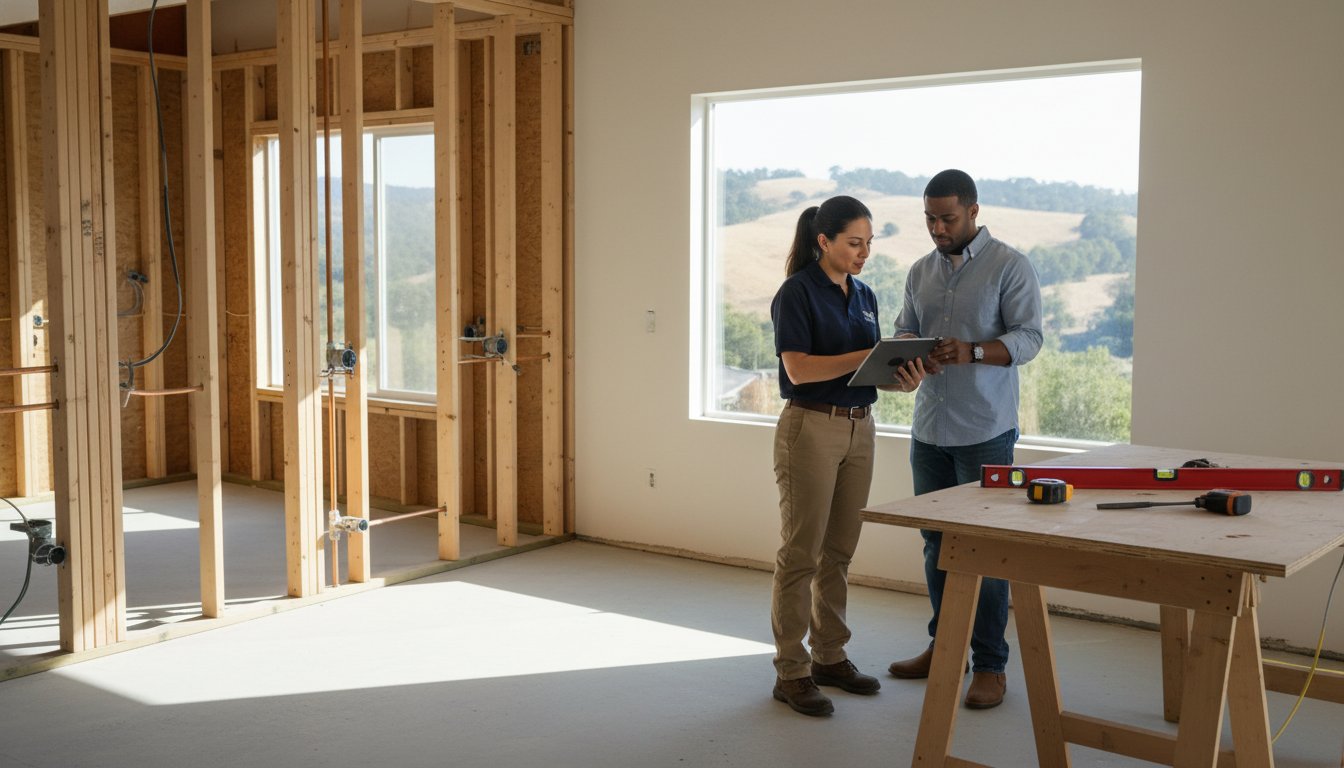
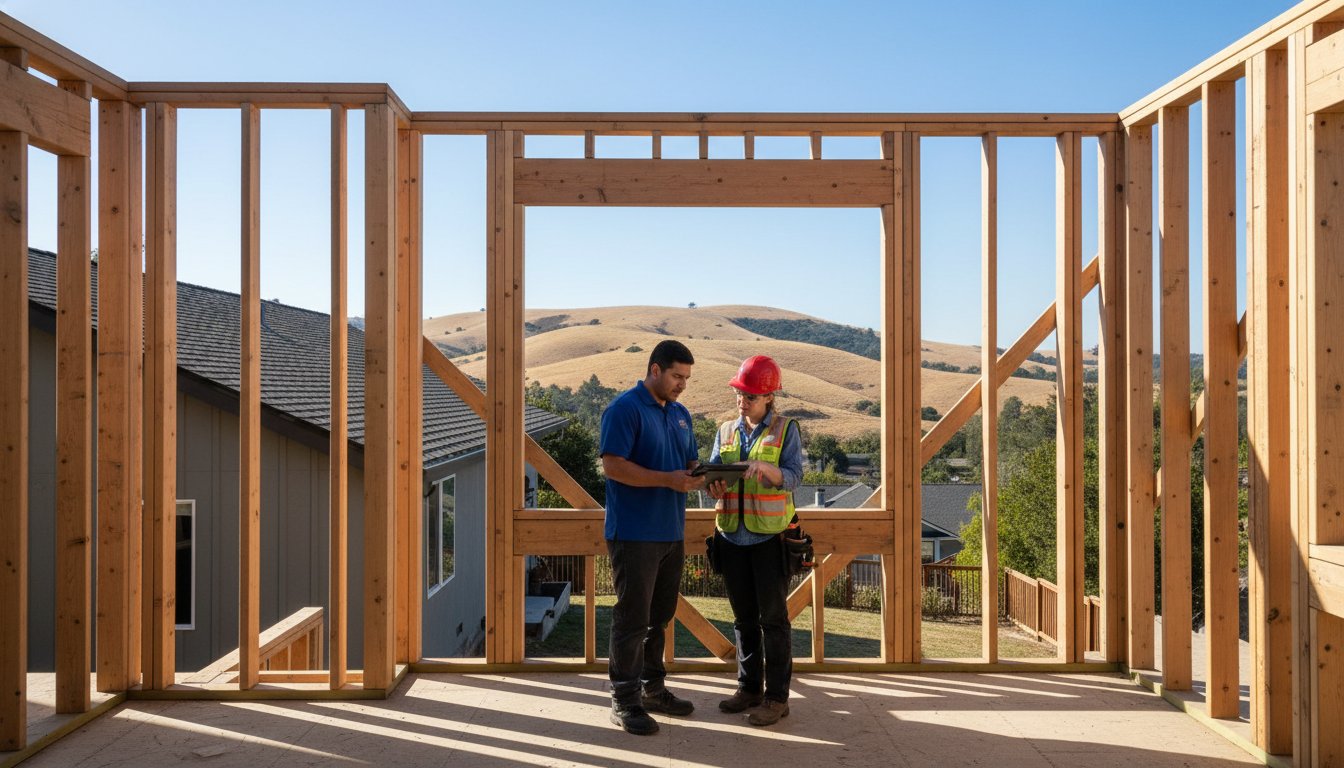
The most revealing reference isn't a finished home; it’s an active job site. Ask your potential contractor for the contact information of a client whose project is currently "in-progress." Requesting a brief site visit allows you to witness their discipline in real-time. An active job site is the truest reflection of a contractor's current standards and daily professionalism. When you visit, look for specific markers of excellence:
- Site Cleanliness: Is the debris managed daily, or is the site chaotic and hazardous?
- Crew Professionalism: Are the subcontractors focused and respectful of the property?
- Safety Protocols: Does the team follow clear safety guidelines to protect the investment and the workers?
- Organization: Are materials stored properly to prevent damage from the elements?
Seeing how a team operates mid-build provides a level of transparency that a finished photo simply cannot replicate. It allows you to move forward with the confidence that your home will be handled with the same meticulous care.

The Essential Reference Interview: 10 Questions to Ask
Once you have a list of candidates, the interview phase begins. Understanding how to check a contractor's references effectively requires moving beyond "were you happy?" to more granular, operational inquiries. These questions reveal the builder’s true discipline and their commitment to a seamless client journey. We view these conversations as a way to verify that a contractor acts as a dedicated steward of your investment rather than a mere service provider. Use the following ten questions to audit their performance:
- What was the specific scope of your project and did it change mid-way?
- Did the contractor provide a clear, transparent estimate before work began?
- How did they handle the inevitable surprises that arise during Bay Area renovations, such as hidden structural issues or permitting delays?
- Was the project manager accessible and responsive to your communications throughout the week?
- Did the crew maintain a clean and respectful job site daily?
- Were any cost increases explained in advance with clear documentation?
- Did the team use a professional scheduling tool to track milestones or rely on verbal promises?
- Did the contractor prioritize your vision and act as a professional partner?
- How has the craftsmanship held up after twelve months of daily use?
- If warranty issues appeared, how quickly did they return to rectify them?
Probing for Transparency and Project Management
A builder’s integrity is most visible when things don't go according to plan. Ask the reference if there were any cost increases that weren't explained in advance. A professional partner provides a "no-surprises" experience by documenting change orders and seeking approval before spending a single dollar of your budget. You should also verify if they used a professional scheduling tool. Verbal timelines are often a recipe for project delays. We believe that true transparency means providing you with real-time updates and a clear roadmap of the construction phases. This level of organization is a key marker of a high-end partnership.
Evaluating Craftsmanship and Long-Term Results
True quality is measured in years, not days. Ask past clients how the work has held up after a full year. This is particularly important for high-use areas like kitchens and bathrooms where plumbing and flooring must withstand constant wear. If you are specifically looking at cabinetry or layout changes, our guide on how to choose the right kitchen remodel contractor in Contra Costa County offers deeper insights into vetting specialized craftsmanship. Finally, gauge their accountability by asking how quickly they responded to warranty calls. A builder who stands by their work will return promptly to ensure your home remains a sanctuary of excellence.
Analyzing the Responses: Spotting Red Flags and Green Flags
Collecting feedback is only half the battle. To truly master how to check a contractor's references, you must develop an ear for what is left unsaid. A reference that provides only glowing, generic praise may actually be a red flag. In the complex world of Bay Area construction, "perfect" projects are a myth. We look for honesty over polish. If a reference cannot recall specific details of the build, such as the timeline or the permitting hurdles in Contra Costa, they might be a personal friend rather than a legitimate client. Vague responses often signal a "cherry-picked" reference designed to mask operational inconsistencies.
Communication is the heartbeat of a successful project. We suggest asking specifically about the "ghosting" test. Did the contractor disappear for weeks at a time? Did they stop returning texts when a difficult structural issue arose? A green flag is a builder who remains accessible even when the news is difficult. This level of transparency separates a mere service provider from a true professional partner. If a past client mentions that the contractor was always reachable, you've found a team that values your peace of mind as much as the final build.
Identifying 'Polished' vs. Honest Feedback
A "perfect" review can be a warning sign in high-end construction. Complex renovations involve hundreds of moving parts, and small friction points are inevitable. The most valuable feedback comes from a reference who admits there were problems but praises how the contractor solved them. This demonstrates integrity during a crisis. We believe that a builder's true character is revealed when they encounter an unexpected challenge on the job site. If the reference highlights the contractor's ability to rectify a mistake without shifting blame, that is a significant green flag. It proves they are a dedicated steward of your investment.
The 'Would You Hire Them Again?' Ultimate Test
This is the most revealing question in the entire vetting process. Pay close attention not just to the answer, but to the tone of the response. Enthusiasm is a green flag. Polite obligation is a warning. If a reference hesitates when asked if they would hire the contractor again for a similar project, it suggests the process was stressful or exhausting. You deserve a "no-surprises" construction experience that leaves you eager to work with your builder on future projects. A green flag contractor is one who values the long-term client relationship over the final invoice. If you are ready to experience this level of professional project management, ensure your vetting process remains this rigorous and disciplined.
Moving from Vetting to Partnership: The Pro-Construction Approach
We believe the vetting process shouldn't end once you sign a contract. At Pro-Construction, we integrate the same transparency you sought while learning how to check a contractor's references into every phase of our delivery. Our 23-year history in the Bay Area is built on a "no-surprises" commitment that protects your investment from the first shovel in the ground to the final walkthrough. We view our clients as long-term partners, and that partnership begins with a foundation of absolute honesty regarding costs, timelines, and expectations.
One of the most effective ways we provide peace of mind is through fixed-price residential construction contracts. Unlike "time and materials" agreements that can lead to budget overruns, our fixed-price model ensures that the budget we agree upon is the budget we maintain. This disciplined approach to financial management eliminates the anxiety typically associated with large-scale renovations. It allows you to focus on the realization of your vision rather than the stress of fluctuating invoices. We take pride in being a dedicated steward of your resources, ensuring that your project remains on-time and on-budget.
Our Commitment to Craftsmanship and Integrity
Excellence in construction requires more than just high-quality materials; it demands meticulous project supervision and professional labor rates for skilled tradespeople. We don't cut corners on the talent we bring to your home. This commitment to integrity is why we've become a trusted name for high-stakes projects, including building ADUs in Contra Costa County. We invite you to treat our initial consultation as the first step in a collaborative journey. We are proud to connect potential clients with our long-term partners and past clients so you can hear firsthand about our seamless, end-to-end solutions.
Your Next Steps in the Bay Area
Your journey toward a bespoke home should be as organized as the physical work we perform. Before you make your final hiring decision, use this summary checklist to ensure your builder meets the Pro-Construction standard of excellence:
- Verify an active CSLB license and check for the email cancellation clause required by 2026 California law.
- Confirm the contractor's willingness to provide a fixed-price contract.
- Speak with at least three references from the last 24 months to gauge current reliability.
- Request a site visit to an active project to observe crew professionalism and safety.
- Ensure the contractor provides a clear disclosure of all subcontractors as per SB 517.
We encourage you to schedule a site walkthrough for an active Pro-Construction project to see our standards in action. Witnessing our discipline and organization mid-build is the best way to build confidence in your choice. When you are ready to move forward, contact Pro-Construction for a transparent, bespoke building experience that prioritizes your vision and your peace of mind.
Building Your Future on a Foundation of Trust
Vetting a builder is the most critical step in protecting your home and your investment. By mastering how to check a contractor's references, you move beyond surface level aesthetics to uncover the operational discipline required for a successful build. Focus on references from the last 24 months to ensure the feedback reflects the team's current standards. Look for partners who demonstrate integrity when challenges arise, as a builder's true character is revealed during the inevitable complexities of construction. True craftsmanship is defined by transparency and the ability to deliver excellence on-time and on-budget.
We bring over 23 years of service to the SF Bay Area, specializing in fixed-price residential contracts that offer absolute peace of mind. Our A+ rating for transparency reflects our commitment to a no-surprises philosophy in every project we undertake. Whether you are planning a bespoke new construction or a comprehensive home renovation, we act as the dedicated steward of your vision. Start your project with a partner you can trust; contact Pro-Construction today. Your dream home deserves the precision and reliability of a seasoned expert. We look forward to realizing your vision together.
Frequently Asked Questions
How many references should I ask a contractor for?
Request at least three references from projects completed within the last 24 months. This sample size allows you to identify consistent patterns in their communication and craftsmanship. We recommend asking for a mix of completed renovations and one currently active project to gauge their current operational standards and site discipline.
What if a contractor refuses to provide references?
A refusal to provide references is a critical red flag that should end the hiring process immediately. Transparency is the cornerstone of any professional partnership. If a builder cannot share the contact information of past clients, it suggests they lack a history of successful deliveries or are hiding significant operational failures.
Is it okay to ask for a reference from a project that didn't go well?
Yes, asking about a challenging project reveals a contractor's integrity during a crisis. Learning how they handled an unexpected structural issue or a permitting delay in Contra Costa provides more insight than a perfect review. You want to see if they remained accountable and focused on finding a resolution rather than shifting blame.
Can I visit a past client's home to see the contractor's work in person?
Many homeowners are proud of their bespoke renovations and will allow a brief walkthrough if the contractor maintains a strong relationship with them. This is the most effective way to inspect the quality of the finish work and the durability of materials. Always respect the homeowner's privacy and schedule these visits through the contractor.
How do I know if a contractor's reference is real or fake?
Verify the authenticity of a reference by asking for specific technical details about the build. Ask about the permitting process with the local building department or how the contractor managed a specific change order. If the reference is too vague or cannot recall any project specifics, they may be a personal friend rather than a legitimate client.
Should I check a contractor's references even if they have great online reviews?
You should always check a contractor's references regardless of their digital rating. Online reviews can be manipulated or lack the granular detail required for a high-stakes renovation. Speaking directly to a past client allows you to probe for specific operational markers, such as their responsiveness to warranty calls or their ability to stay on-budget.
What is the most important question to ask a contractor's reference?
The most revealing question is, "Would you hire this contractor again for a similar project?" This inquiry cuts through polite praise and forces the reference to evaluate the overall value and stress level of the experience. An enthusiastic response is the ultimate green flag; any hesitation suggests the partnership was difficult or the outcome didn't justify the investment.
How recent should a contractor's references be?
References should ideally be from projects completed within the last 24 months. This ensures the feedback reflects the contractor's current crew, financial health, and project management software. Understanding how to check a contractor's references involves ensuring the data you collect is relevant to today's market conditions, labor availability, and local building codes.